
We woke to find winter outside the window

The two vets took blood and faecal samples from Donald, Ivanka and Melania
They called with the results this afternoon. All three of the youngest lambs have a high level of coccidia and nematodirus worms in their samples. Donald was given treatment on Thursday but they advise that all the 5 lambs and the adult ewes with them receive oral drenches to kill off the worms and bacteria. I’ve booked a call out with the vets for this coming Thursday


Apple cakes, fruit biscuits and chocolate chip cookies


Very soon, coprolites were being mined on an industrial scale for use as fertiliser due to their high phosphate content. The major area of extraction occurred over the east of England, centred on Cambridgeshire and the Isle of Ely[19][20] with its refining being carried out in Ipswich by the Fison Company.[20] There is a Coprolite Street near Ipswich docks where the Fisons works once stood.
As mentioned in the previous blog
“The village of Shillington near Houghton Conquest in Mid-Beds used to be called Shittington as coprolite was dug from the local hill. Not surprisingly the village changed its name”
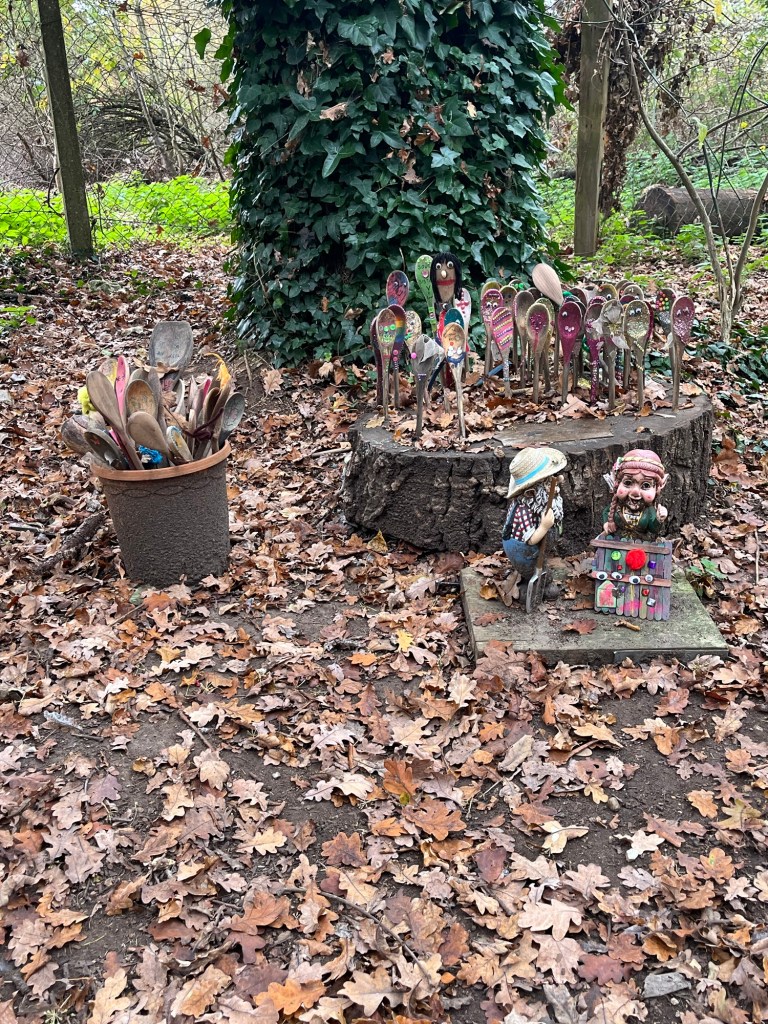


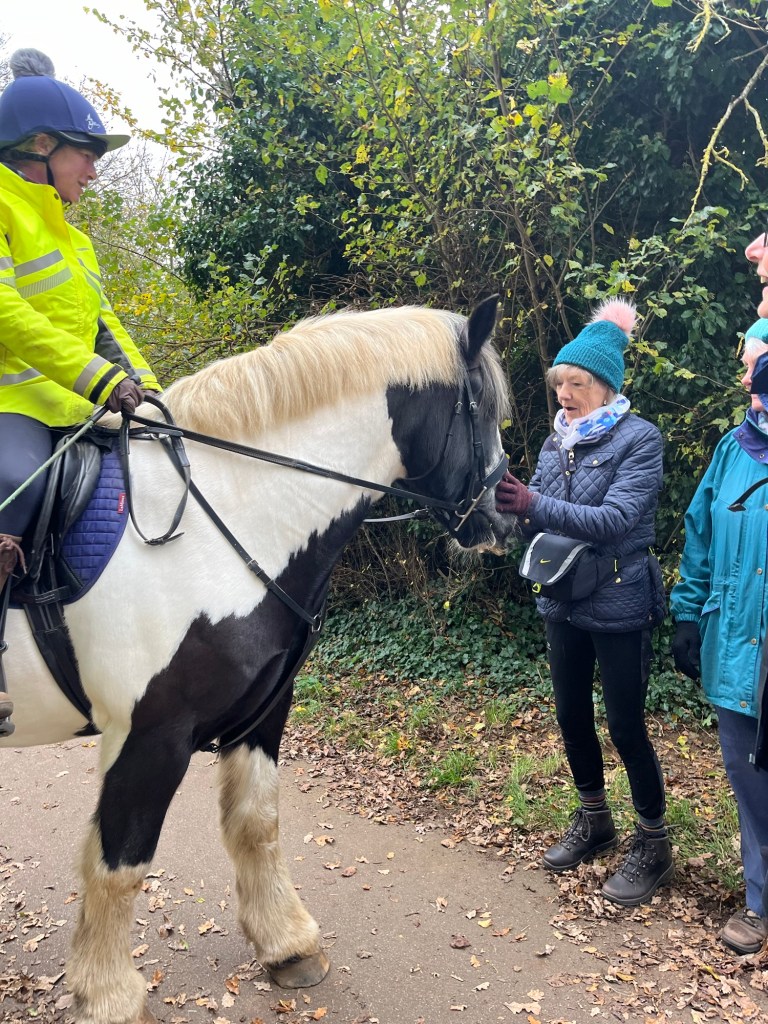
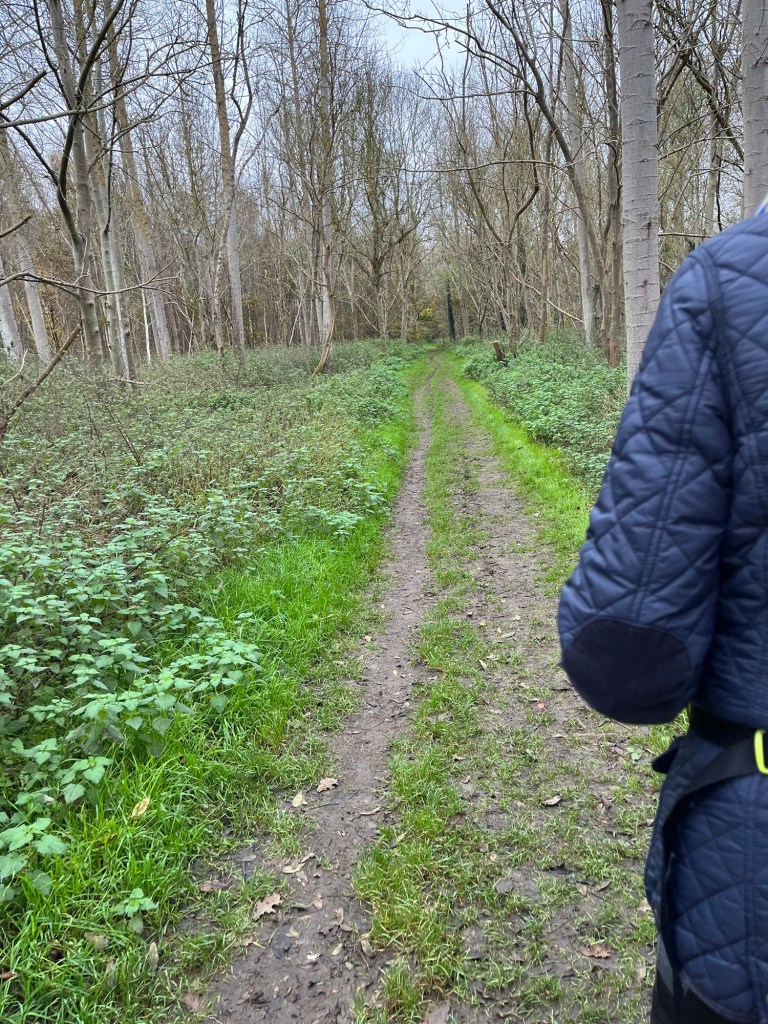
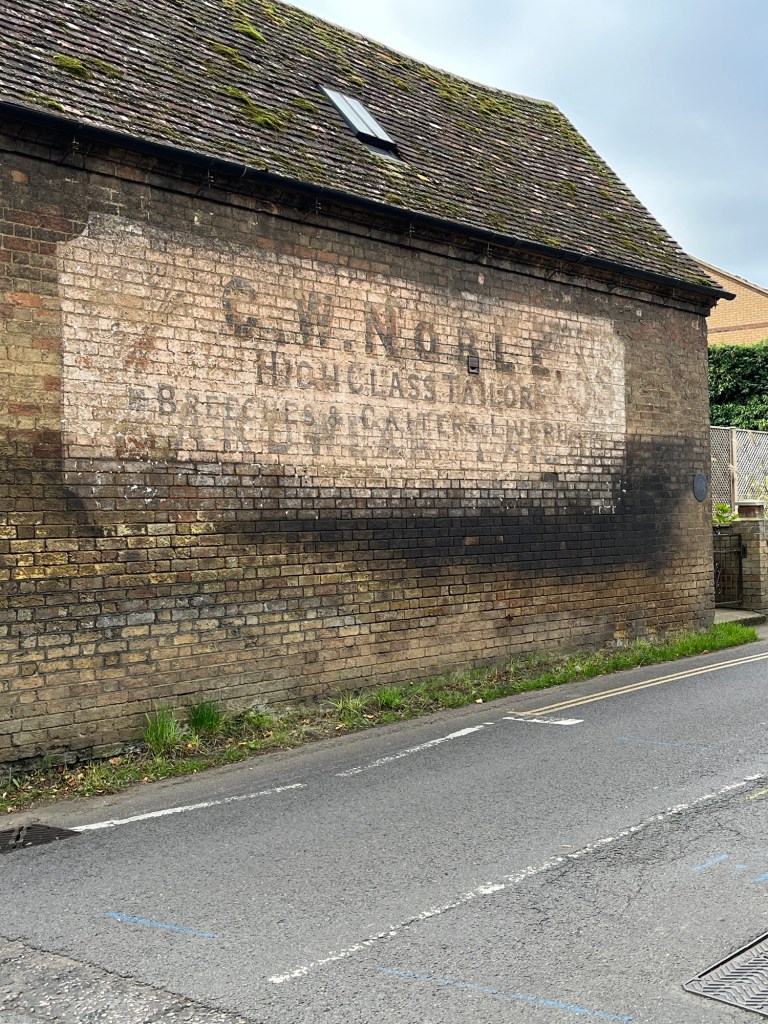
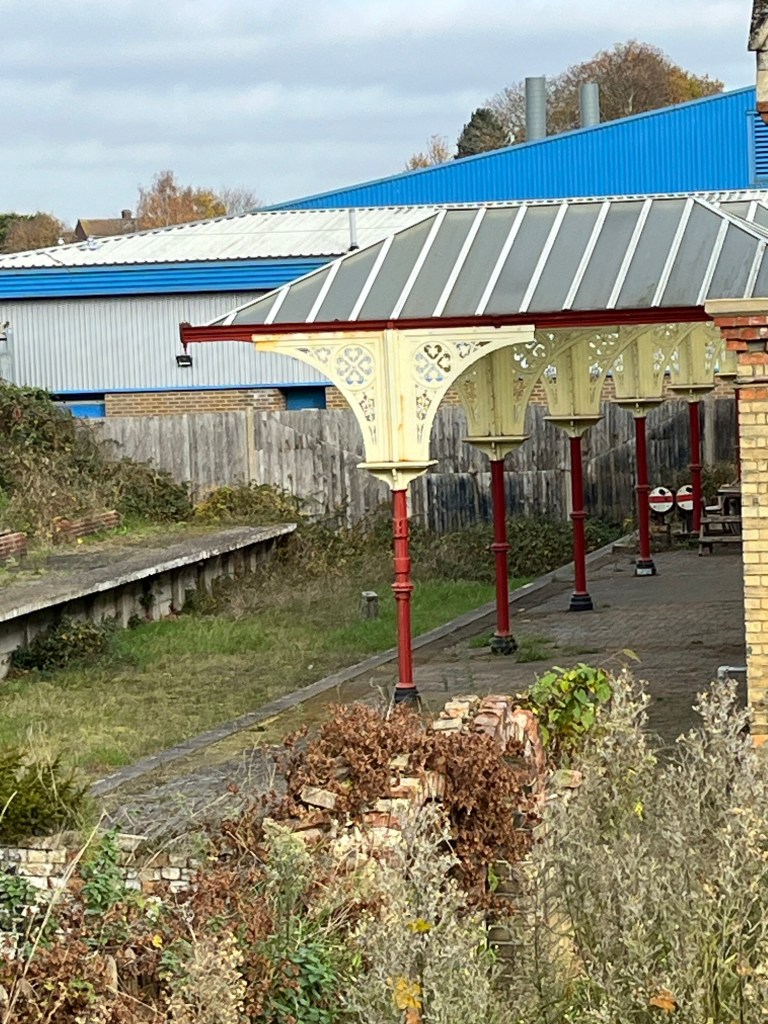
And as we walked through the woods at Deepdale we passed an old coprolite quarry. You may well wonder, as we all did, what’s a coprolite quarry or mine? Here’s the answer – I kid you not.
The industry began in the mid 19th century, when shortage of food after the Napoleonic Wars caused an influx in demand for fertilisers. The coprolite itself is fossilised dinosaur faeces which, when ground up, can be mixed with acid or water to make fertiliser. This fertiliser was discovered when a brick kiln using local clay exploded. One of the first areas in Cambridge to undergo coprolite mining was Coldham’s Common between the 1850s and 1890s. Wages were far higher in mining than agriculture so there was a ‘coprolite mine rush’ with huge pits dug on the common. The making of fertiliser and mining of dinosaur poo began to decline when international competition kicked in from America. But the industry was revived during the First World War when imported goods became unreliable and England needed to grow more food.:


