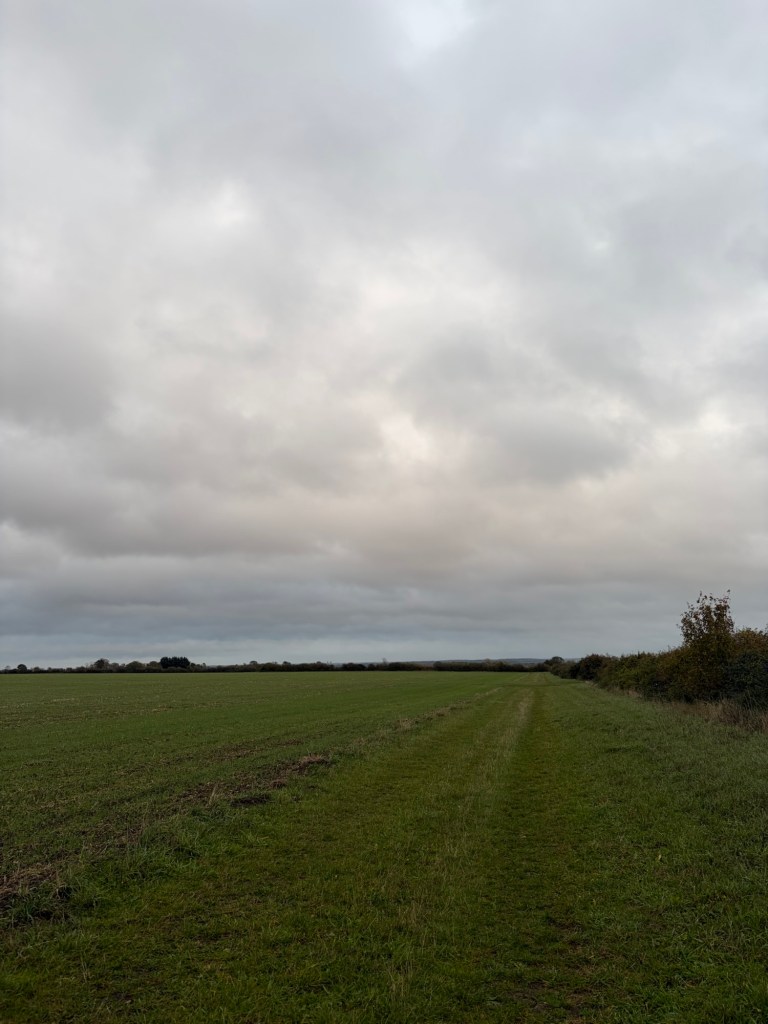
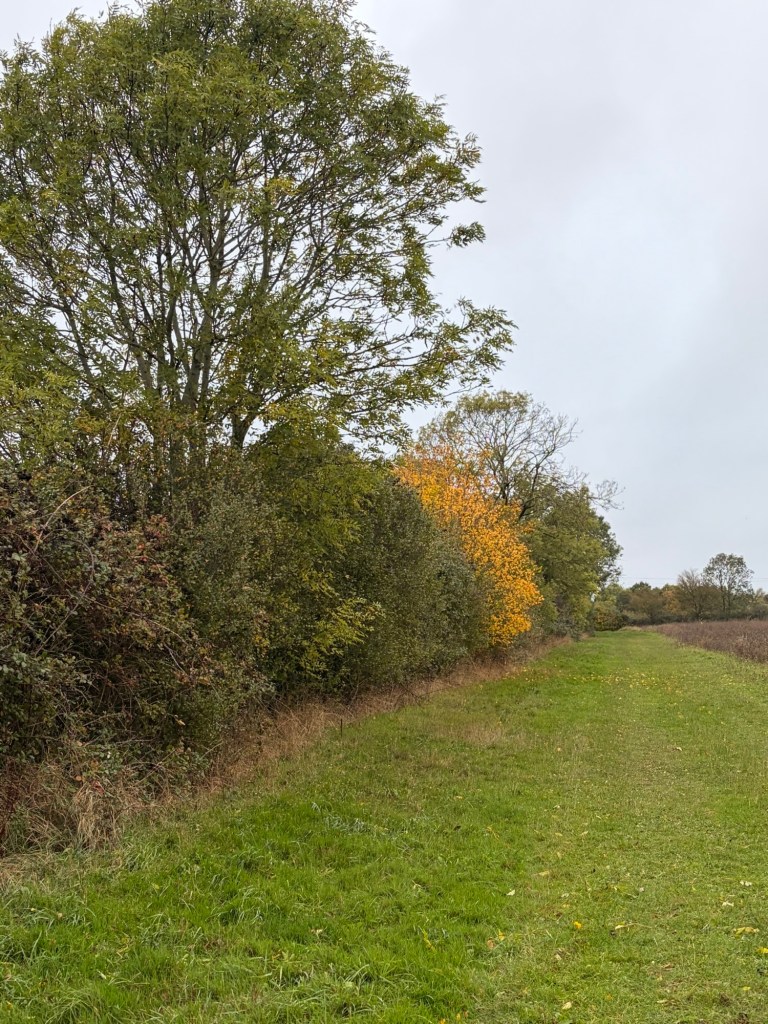
A perfect Friday u3a walk around Grafham Water

Grafham Water is a major reservoir in Cambridgeshire, England, managed by Anglian Water, serving as a key drinking water source for 1.5 million people in the region. Opened in 1966, it is the third largest reservoir in England by area (1,500 acres) and a popular spot for sailing, fishing, cycling, and birdwatching in a designated Site of Special Scientific Interest. (Info from Google)

Our walk veered off into bluebell woods and across meadows

These are English (not the invasive Spanish) bluebells

English bluebells are deeper blue than the Spanish variety and the have a light scent (Spanish are unscented) and English bluebells have cream-coloured pollen and Spanish pollen is light blue. English bluebells have drooping heads and the Spanish are upright.

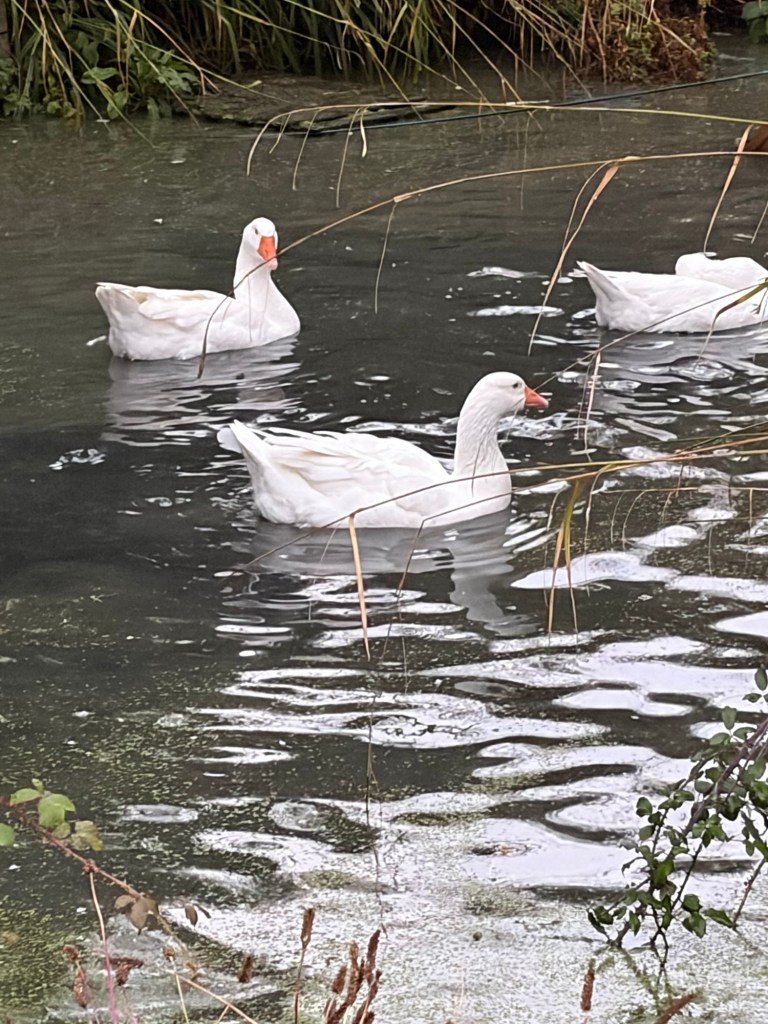
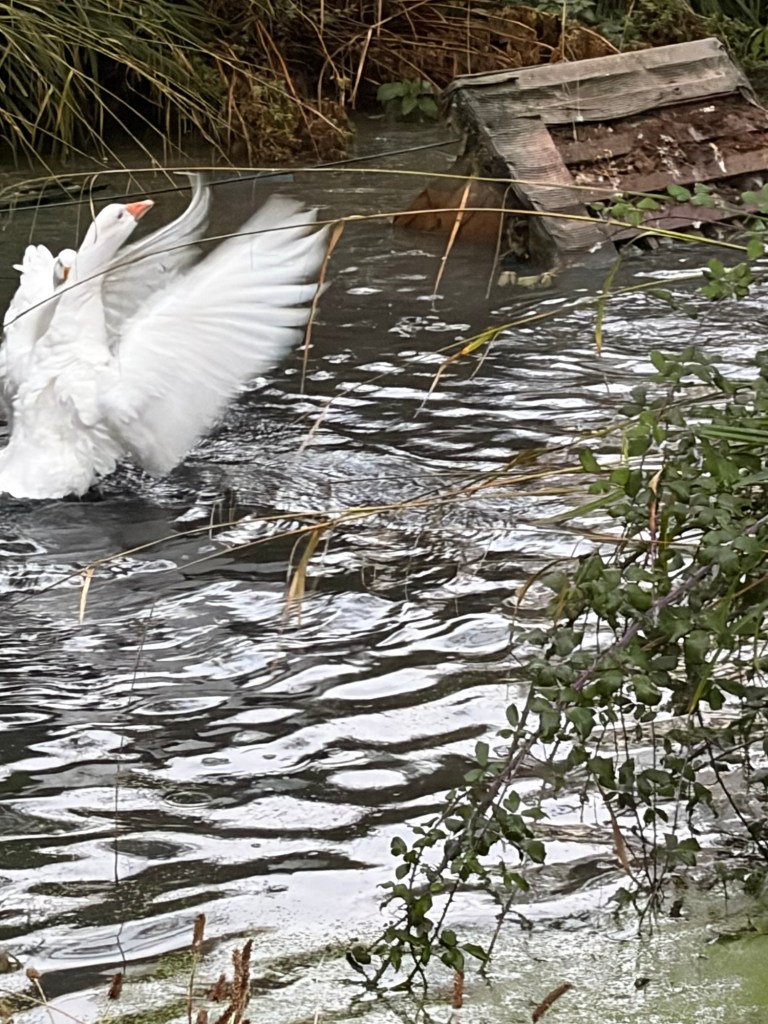
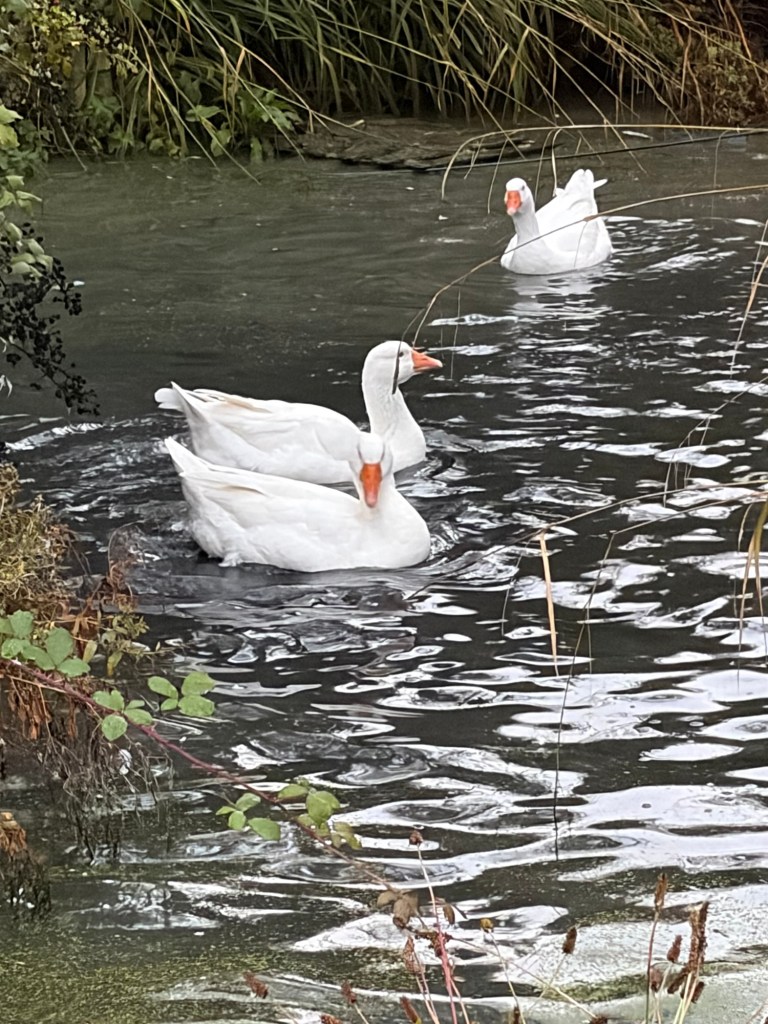
I’m going down to the goose pond now that I’m home – I’ll check out our bluebells

This week there are “firsts” and “lasts”.

We ate the first asparagus of the season on Monday night.

Today it’s the “last” of the Pink Fir Apple homegrown salad potatoes stored since last summer. They are the best salad potatoes ever.

We first started growing them on our Devon smallholding over 47 years ago. During our subsequent 30 years in London I saw them only twice in Sainsbury supermarket – where they were on sale in small plastic packets for high prices and only available for a couple of weeks. I bought them but they didn’t taste as good as our own. I will savour the potato salad tonight and look forward to the new potato season.

A profusion of cowslips everywhere

Alongside the Little Staughton Road this morning on my drive towards Bolnhurst.

Here’s some additional information about cowslips gleaned from Google. There is plenty more information on the internet. – my note “Be aware that picking cowslips from council maintained roadside verges is technically illegal today and it is definitely illegal to dig them up.”

Cowslip wine is a traditional British homemade wine made from the fermented flowers of the cowslip plant (Primula veris), a practice that peaked in popularity during the 18th and 19th centuries. Known for its delicate, sweet, and somewhat floral taste—resembling muscadel—this wine was considered a prestigious, light offering compared to heavier, darker wines like elderberry. 

Historical Significance and Traditions
Cultural Significance: Cowslip wine was a staple in English country households, particularly in the Midlands and southern counties. It was a popular springtime ritual to collect the flowers, often celebrated on “Cowslip Sunday” in early May.
Social Use: The wine was traditionally offered to special visitors, such as the local curate or landlord, served in small, fluted glasses with biscuits.
Economic Impact: In the 19th century, particularly in places like Lambley, Nottinghamshire, children would gather cowslips from fields to sell, making it a source of income during the height of the cottage stocking frame industry.

– my note “when I was researching for my first book, Jews Milk Goats(Amazon), I read that children in the neighbouring village of Bolnhurst were given the day off school to collect cowslips for their parents to make into wine. Bolnhurst was a very poor village and the sale of cowslip wine was an welcome addition to the meagre incomes of the farm labouring families.

Oh Ginny!

This year we have not had many of the usual problems of lambs getting their head stuck through the fencing. The exception is bottle-fed Ginny who has gotten herself stuck on numerous occasions.

Click below
Silly Ginny

Everything everywhere all at once !

A profusion of honesty
Iris opening and more to come
Strawberry flowers in the lower polytunnel and outside…
Tiny clusters of red currants and white and pink currants are forming
Around the goose pond
Bluebells
Cherry blossom
Pear blossom near the chicken run and Dotty’s tree (planted for a lamb who died in my arms several years ago after a three month struggle for life) is blossoming and growing further down the garden
Even Juno’s horns are growing