
Dawn
Very soon, coprolites were being mined on an industrial scale for use as fertiliser due to their high phosphate content. The major area of extraction occurred over the east of England, centred on Cambridgeshire and the Isle of Ely[19][20] with its refining being carried out in Ipswich by the Fison Company.[20] There is a Coprolite Street near Ipswich docks where the Fisons works once stood.
As mentioned in the previous blog
“The village of Shillington near Houghton Conquest in Mid-Beds used to be called Shittington as coprolite was dug from the local hill. Not surprisingly the village changed its name”
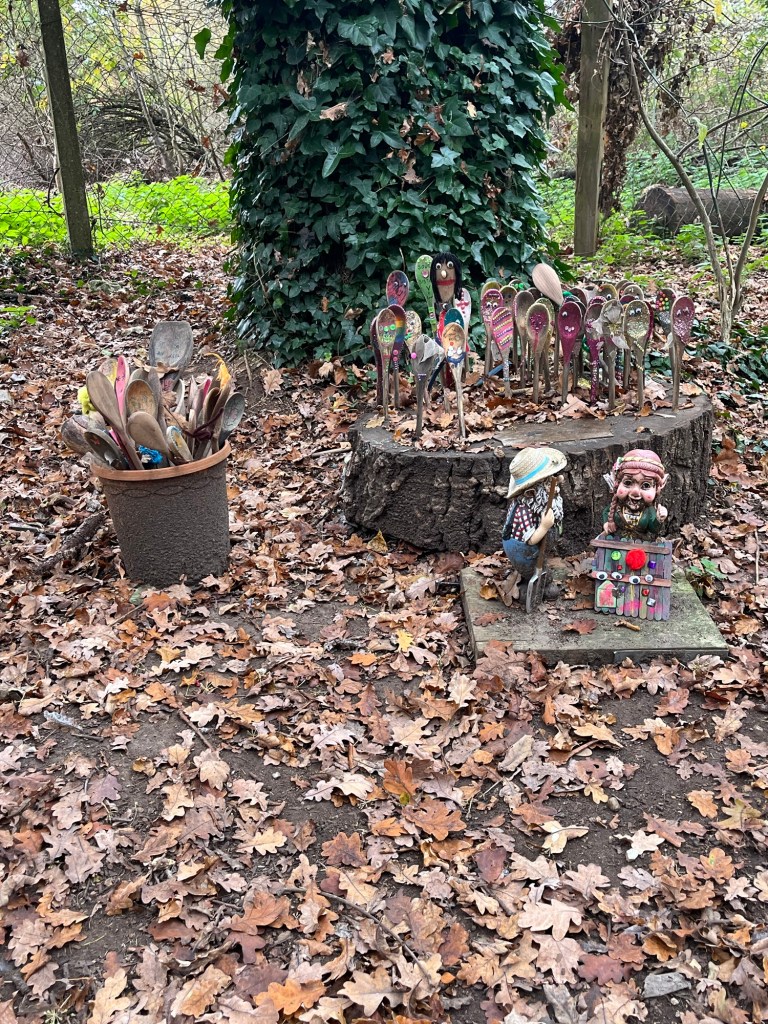


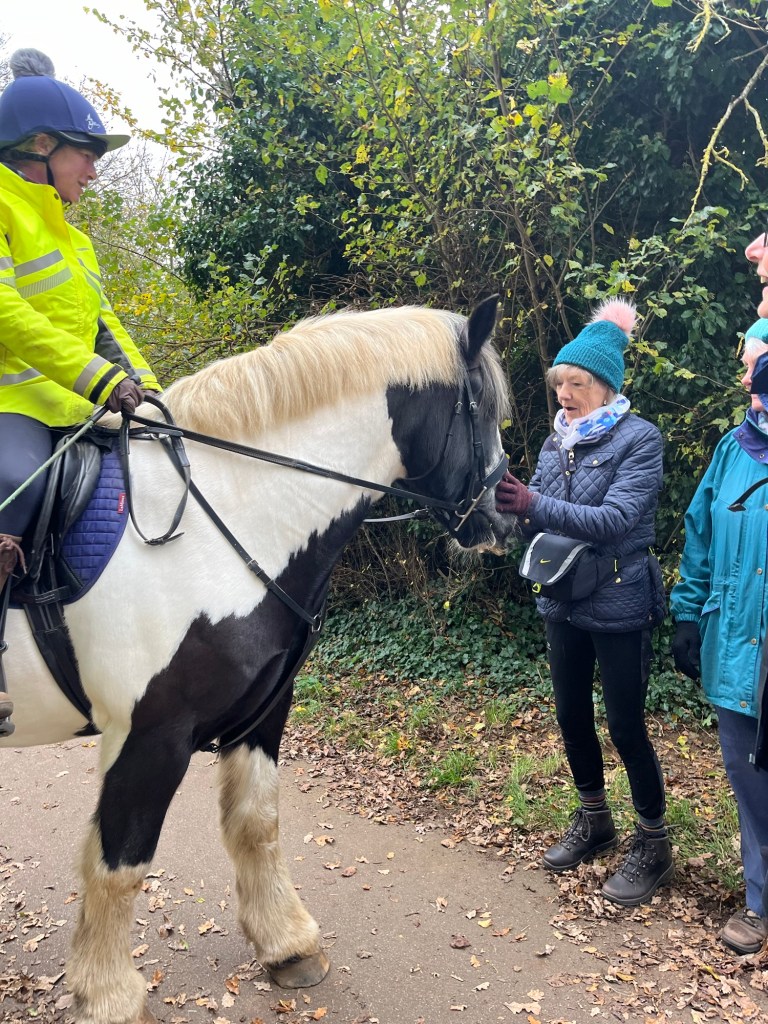
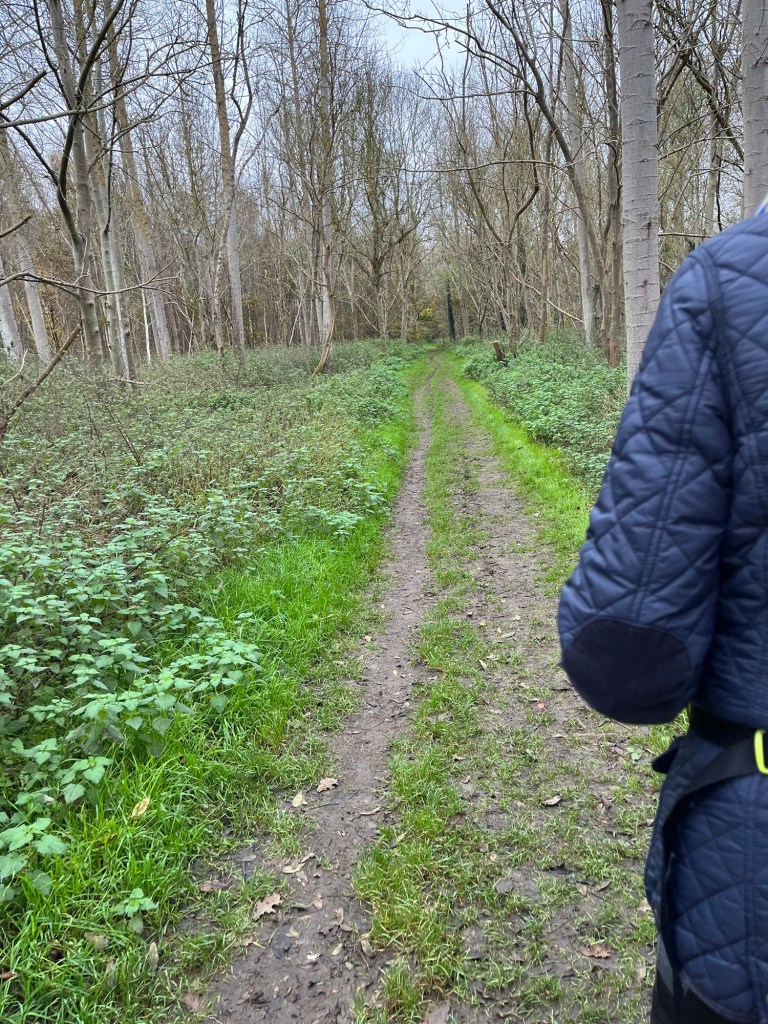
And as we walked through the woods at Deepdale we passed an old coprolite quarry. You may well wonder, as we all did, what’s a coprolite quarry or mine? Here’s the answer – I kid you not.
The industry began in the mid 19th century, when shortage of food after the Napoleonic Wars caused an influx in demand for fertilisers. The coprolite itself is fossilised dinosaur faeces which, when ground up, can be mixed with acid or water to make fertiliser. This fertiliser was discovered when a brick kiln using local clay exploded. One of the first areas in Cambridge to undergo coprolite mining was Coldham’s Common between the 1850s and 1890s. Wages were far higher in mining than agriculture so there was a ‘coprolite mine rush’ with huge pits dug on the common. The making of fertiliser and mining of dinosaur poo began to decline when international competition kicked in from America. But the industry was revived during the First World War when imported goods became unreliable and England needed to grow more food.:


On this day in 2013 I began to write this blog and the date was significant because it was dad’s birthday. Dad died in July 2014 aged 86 after a life lived to the full. Each year I look back at the photo albums and remember the man who educated himself (he left school aged 13), who was a devoted husband, loving father and incredibly dutiful son and a man who knew how to make the most of every day. There was fun and glamour in abundance. He played football, cricket, tennis, snooker and golf all to a high level (I have a box of his trophies as proof). He was an excellent bridge player and he and mum saw every notable play, show and film as well as spending many nights playing cards, wining and dining at The Colony Club and going to watch Chelsea at Stamford Bridge. Sometimes I wonder how he managed to fit in work – but he did (he was an accountant) and supported us as well as his parents. Extraordinary.


There is so much more to say and hundreds of photographs many of them with his grandchildren (who he adored and who adored him) and with the two great grandchildren that he was blessed to see and know – the oldest remembers him well. What a life and what an example. Thank you dad.


