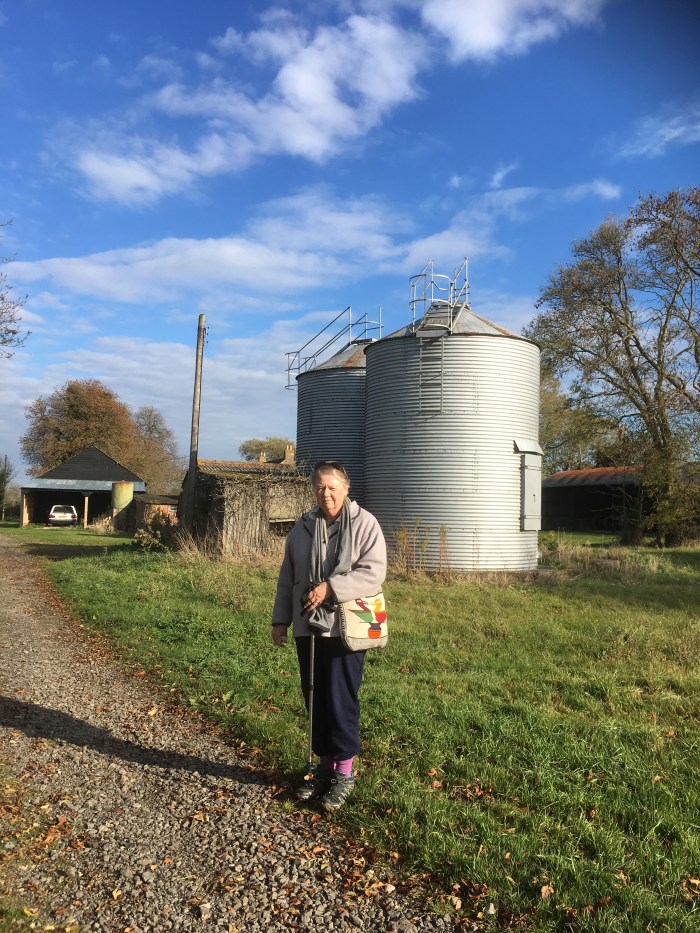
As we walked past Cherry Orchard Farm this morning, my thoughts turned to a time when agriculture was was conducted in a very different manner than it is today on the majority of holdings on this island. The old Orchard Farm lies fallow with its buildings almost “pickled in aspic”. I would love to get my hands on it and turn it into a small organic farm.
As we continued on past large fields we came across a local farmer and stopped to talk. He was pacing up and down and looking mildly concerned. On questioning him I found out that it was the sight of black grass amongst the autumn sown wheat that was troubling him. We asked about its control and were horrified to learn that spraying with herbicides was the only answer and that, in years gone by, three rounds of spraying would control the grass. Nowadays this field will get five lots of herbicides during the winter and three more in the spring!
My walking companion and I are very troubled by the amount of herbicides used to control black grass. The plants are becoming resistant to the poisons being used to kill them and we wonder what the residues are doing to the farmers who spray them and we who ingest them with the wheat?
On returning home I consulted Dr Google and discovered that black grass has become more and more prevalent since farmers began to sow wheat and oil seed rape in the autumn. Deep digging (ploughing) and spring planting can reduce the grass but the farmers prefer shallow tilling, early planting and a reliance on herbicides. Am I crazy or are they or are we all for allowing the continued use of herbicides to poison not only black grass but so many other plants in the precious soil.?
 gfreedmanblog